Dental Bridge Before After: Visual evidence serves as a transparent indicator of clinical quality. Replacing missing teeth restores both daily function and facial aesthetics significantly. Individuals researching dental bridge before and after in Turkey observe clear, functional improvements. This visual documentation reflects the actual capabilities of modern restorative dentistry. Choosing Turkey provides access to internationally certified clinical environments focused on delivering highly secure, natural-looking outcomes.
The Dental Bridge ‘Before’ / ‘After’ Phase: Identifying Discoloration Challenges
Before Dental Bridges: Identifying Structural Gaps
Prior to any clinical intervention, patients present with specific structural voids. Missing teeth create immediate functional and aesthetic challenges that standard cosmetic procedures cannot resolve.
Chewing Difficulties: Empty spaces disrupt the natural bite alignment significantly.
Shifting Teeth: Adjacent healthy teeth gradually drift into the unoccupied space over time.
Structural Weakening: Prolonged gaps can lead to localized vulnerabilities in the supporting areas.
These complex issues require an advanced, highly safe clinical approach. Visualizing the baseline condition clarifies the necessity of proper restorative support.
The Bridge Procedure in Turkey: Safe & Digital Precision
Clinical safety dictates the entire restorative process. Aesthetic centers in Turkey operate under strict international medical protocols. Precision minimizes clinical guesswork entirely. Restorative specialists utilize advanced CAD/CAM tools seamlessly. Advanced 3D imaging charts the exact dimensions of the empty space accurately. This meticulous digital planning allows for a custom-designed ceramic unit. The modern clinical approach prioritizes extremely gentle surface refinement on the anchoring points. This creates a highly secure foundation for the new protective layer without compromising overall structural safety.
After Dental Bridges in Turkey: Achieving Functional Harmony
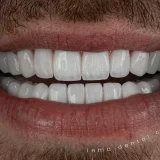
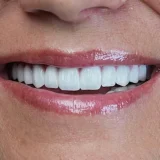
The structural transformation occurs when custom-crafted ceramics are bonded securely in place. Restorative specialists utilize highly durable Zirconia or translucent E-max units based on specific positional requirements.
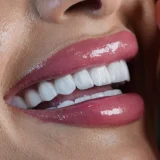
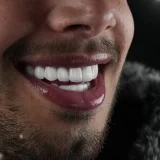
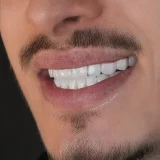
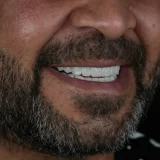
This clinical alteration results in a universally appealing and structurally sound dental arch. These premium ceramics mimic the light reflection of healthy natural enamel perfectly. Elite bonding technologies ensure the new bridge acts as a seamless extension of the natural structure. This advanced protocol establishes aesthetic harmony while supporting exceptional biomechanical stability for the long term.
Aesthetic specialists prioritize natural harmony above all else. Digital mapping ensures the new ceramic unit matches surrounding teeth and individual lip dynamics perfectly. The advanced light-reflecting properties of premium Zirconia mimic natural dental enamel, avoiding any flat or artificial appearance entirely.
Advanced clinical protocols prioritize absolute structural preservation. Minimal applications require highly gentle techniques. Traditional methods involve only microscopic surface refinement on the supporting anchors. This careful approach creates a durable foundation while completely protecting the underlying natural structure from external wear.
Turkey stands globally recognized as a premier destination for advanced dental restorations. Top-tier clinical centers hold rigorous international health certifications. The combination of experienced specialists, strict sterilization protocols, and premium global materials creates a highly secure medical tourism experience.
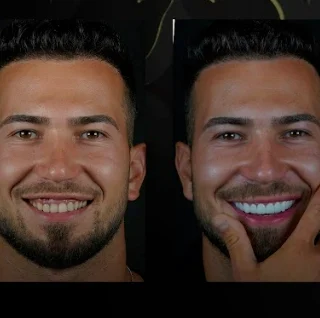
Reputable clinical centers showcase authentic, unedited visual portfolios. These galleries reflect actual clinical outcomes achieved using premium global materials. Reviewing these authentic cases provides a highly accurate expectation for the final restorative transformation.
High-quality dental ceramics offer excellent long-term durability. With rigorous daily oral hygiene and regular professional check-ups, this structural investment maintains its functional integrity for 10 to 15 years or more. Premium material selection supports lasting biomechanical security.
Prof. Dr. Coşkun Yıldız
Dentistry
Prof. Dr. Coşkun Yıldız, an internationally recognized and licensed dentist with distinguished expertise in implantology and cosmetic dentistry, has medically reviewed this article to ensure the highest standards of accuracy, reliability, and relevance. With decades of combined clinical and academic experience, Prof. Dr. Coşkun Yıldız delivers evidence-based, up-to-date insights that align with the latest global dental technologies, treatments, and best practices—empowering readers to make informed, confident decisions about their oral health and dental care.
The transformations are undeniably incredible, but my missing tooth is a lower molar right at the back of my mouth where I do all my heavy chewing. In the after photos, the back bridges look just as beautiful and delicate as the front ones. Can a full porcelain bridge actually withstand years of grinding meat and tough foods, or will it eventually crack under the pressure?
Sylvia, balancing delicate aesthetics with immense biomechanical strength is the ultimate goal of modern restorative prosthodontics. While the posterior bridges in our case studies look beautifully refined, they are actually engineered from monolithic zirconia, which is one of the hardest and most resilient ceramics used in medicine today. Unlike older porcelain-fused-to-metal bridges that could easily chip on the surface, a monolithic zirconia bridge is precision-milled from a single, solid block of ultra-dense crystal. This phenomenal material boasts a flexural strength that far exceeds natural human enamel. Once it is digitally mapped and permanently bonded to your healthy anchor teeth, it can effortlessly absorb the heavy, repetitive mechanical forces of daily chewing without the slightest risk of fracturing.
Looking at these before-and-after photos, I am amazed at how seamless the front bridges look. I have a missing lateral incisor, and my biggest fear is that a dental bridge will just look like one giant, connected block of white porcelain sitting in my mouth. How do the technicians make a multi-tooth bridge actually look like separate, individual teeth at the gumline?
Julian, your fear of the “blocky” appearance is a very common and valid concern regarding older, outdated bridge designs. To achieve the highly realistic before-and-after transformations you see in our clinical galleries, the secret lies entirely in the mastery of interproximal shaping. Here at Lema Dental Clinic, our master ceramists meticulously carve deep, natural-looking embrasures—the tiny V-shaped spaces between the teeth—into the solid zirconia structure. Additionally, we precisely contour the base of the pontic (the replacement tooth) so it rests gently into a slight, surgically prepared depression in your natural gum tissue. This advanced technique creates the perfect optical illusion that every single tooth is emerging individually from the jawbone, completely eliminating that artificial, connected aesthetic.
I noticed in some of the “before” pictures that patients have highly red, inflamed gums around their old metal bridges, but the “after” pictures show perfectly healthy, pink tissue around the new Turkish bridges. Does the actual type of material used for the bridge cure gum disease, or is that just the result of a really good deep cleaning before the final photos are taken?
Arthur, you have astutely identified a massive biological advantage of advanced dental biomaterials. While a thorough clinical cleaning is always performed prior to final cementation, the profound tissue healing you are observing is actually a direct physiological response to the new bridge material. Older bridges utilized base metal alloys that frequently triggered low-grade allergic reactions and chronic inflammation at the gumline, leading to that dark, swollen appearance. The premium zirconia and medical-grade glass ceramics we utilize are completely hypoallergenic and highly biocompatible. Because your body does not view these modern ceramics as foreign invaders, the periodontal ligaments can heal beautifully and adapt tightly around the new restorations. This creates a highly defensive biological seal that naturally resolves the inflammation, resulting in the pristine, pale pink gingiva you see in the final photos.















6 comments
Sylvia Sterling
2026-06-19T10:20:35-03:00 at 10:20 AM
The transformations are undeniably incredible, but my missing tooth is a lower molar right at the back of my mouth where I do all my heavy chewing. In the after photos, the back bridges look just as beautiful and delicate as the front ones. Can a full porcelain bridge actually withstand years of grinding meat and tough foods, or will it eventually crack under the pressure?
Reviewed by Prof. Dr. Coşkun Yıldız
2026-06-19T11:21:23-03:00 at 11:21 AM
Sylvia, balancing delicate aesthetics with immense biomechanical strength is the ultimate goal of modern restorative prosthodontics. While the posterior bridges in our case studies look beautifully refined, they are actually engineered from monolithic zirconia, which is one of the hardest and most resilient ceramics used in medicine today. Unlike older porcelain-fused-to-metal bridges that could easily chip on the surface, a monolithic zirconia bridge is precision-milled from a single, solid block of ultra-dense crystal. This phenomenal material boasts a flexural strength that far exceeds natural human enamel. Once it is digitally mapped and permanently bonded to your healthy anchor teeth, it can effortlessly absorb the heavy, repetitive mechanical forces of daily chewing without the slightest risk of fracturing.
Julian Blackwood
2026-06-19T11:00:13-03:00 at 11:00 AM
Looking at these before-and-after photos, I am amazed at how seamless the front bridges look. I have a missing lateral incisor, and my biggest fear is that a dental bridge will just look like one giant, connected block of white porcelain sitting in my mouth. How do the technicians make a multi-tooth bridge actually look like separate, individual teeth at the gumline?
Reviewed by Prof. Dr. Coşkun Yıldız
2026-06-19T11:19:23-03:00 at 11:19 AM
Julian, your fear of the “blocky” appearance is a very common and valid concern regarding older, outdated bridge designs. To achieve the highly realistic before-and-after transformations you see in our clinical galleries, the secret lies entirely in the mastery of interproximal shaping. Here at Lema Dental Clinic, our master ceramists meticulously carve deep, natural-looking embrasures—the tiny V-shaped spaces between the teeth—into the solid zirconia structure. Additionally, we precisely contour the base of the pontic (the replacement tooth) so it rests gently into a slight, surgically prepared depression in your natural gum tissue. This advanced technique creates the perfect optical illusion that every single tooth is emerging individually from the jawbone, completely eliminating that artificial, connected aesthetic.
Arthur Pendelton
2026-06-19T11:33:45-03:00 at 11:33 AM
I noticed in some of the “before” pictures that patients have highly red, inflamed gums around their old metal bridges, but the “after” pictures show perfectly healthy, pink tissue around the new Turkish bridges. Does the actual type of material used for the bridge cure gum disease, or is that just the result of a really good deep cleaning before the final photos are taken?
Reviewed by Prof. Dr. Coşkun Yıldız
2026-06-19T11:43:09-03:00 at 11:43 AM
Arthur, you have astutely identified a massive biological advantage of advanced dental biomaterials. While a thorough clinical cleaning is always performed prior to final cementation, the profound tissue healing you are observing is actually a direct physiological response to the new bridge material. Older bridges utilized base metal alloys that frequently triggered low-grade allergic reactions and chronic inflammation at the gumline, leading to that dark, swollen appearance. The premium zirconia and medical-grade glass ceramics we utilize are completely hypoallergenic and highly biocompatible. Because your body does not view these modern ceramics as foreign invaders, the periodontal ligaments can heal beautifully and adapt tightly around the new restorations. This creates a highly defensive biological seal that naturally resolves the inflammation, resulting in the pristine, pale pink gingiva you see in the final photos.