


Last Updated on June 16, 2026: Reviewed by Prof. Dr. Coşkun Yıldız
Root Canal Before After Journey! Visual evidence serves as a transparent indicator of clinical quality. Saving a natural tooth restores both daily chewing function and structural harmony completely. Individuals researching root canal before and after in Turkey observe clear, foundational improvements.
This clinical documentation reflects the actual capabilities of modern endodontic therapy. Choosing Turkey provides access to internationally certified clinical environments focused on delivering highly secure, comfortable internal healing.
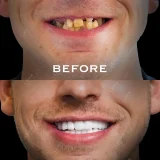
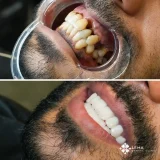
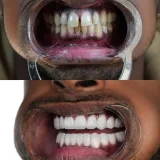
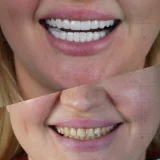
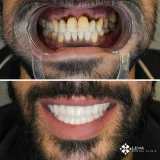
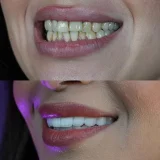
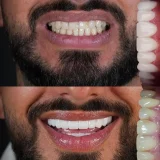
The Root Canal Before and After Photos!
 |
 |
 |
 |
 |
 |
 |
 |
 |
 |
 |
 |
➡️ View More: Before After Gallery
Before Root Canal: Identifying Internal Vulnerabilities
Prior to any clinical intervention, patients frequently present with deep structural distress. Surface-level cosmetic procedures cannot resolve internal bacterial presence.
- Deep Structural Compromise: Severe decay penetrates beyond the outer enamel layer.
- Temperature Sensitivity: Persistent discomfort occurs during exposure to hot or cold elements.
- Foundational Weakness: Previously damaged or traumatized teeth exhibit signs of internal instability.
These complex internal issues require an advanced, highly safe therapeutic approach. Visualizing the baseline condition via digital diagnostics clarifies the necessity of deep structural intervention.
The Endodontic Procedure in Turkey: Safe & Digital Precision
Clinical safety dictates the entire therapeutic process. Endodontic centers in Turkey operate under strict international medical protocols. Precision minimizes clinical guesswork entirely. Specialists utilize advanced 3D tomography to map the complex internal micro-pathways accurately. This meticulous digital planning allows for highly precise internal cleansing.
The modern clinical approach prioritizes the gentle removal of bacterial presence, followed immediately by sealing the internal structure with premium bio-compatible materials. This highly advanced protocol saves the natural tooth entirely.
After Root Canal: Achieving Internal Harmony and Protection
The foundational transformation occurs when the internal pathways are completely purified and sealed. Endodontic specialists ensure the underlying structure is thoroughly stabilized against future complications.
This therapeutic alteration results in a universally sound and fully functional natural tooth. Following deep internal healing, posterior teeth frequently receive a custom-milled ceramic crown for maximum exterior protection. Elite bonding technologies ensure this new ceramic layer acts as a 360-degree durable shield. This advanced protocol establishes perfect aesthetic harmony while supporting exceptional biomechanical stability for the long term.
FAQ: Root Canal Before and After in Turkey
Is the advanced internal healing procedure painful?
Absolutely not. Advanced clinical protocols in Turkey prioritize absolute patient comfort. Elite specialists utilize highly advanced digital anesthesia techniques. This ensures the entire internal cleansing process remains completely comfortable and relaxed, closely resembling a standard, routine surface filling experience.
Is it safe to get endodontic treatment in Turkey?
Turkey stands globally recognized as a premier destination for advanced dental therapeutics. Top-tier clinical centers hold rigorous international health certifications. The combination of experienced endodontic specialists, strict sterilization protocols, and premium global bio-materials creates a highly secure medical tourism experience.
Are root canal before and after radiographic photos real?
Reputable clinical centers showcase authentic, unedited digital X-ray portfolios. These galleries reflect actual internal healing outcomes achieved using premium global techniques. Reviewing these authentic cases provides a highly accurate expectation for the final therapeutic transformation.
How long does a structurally restored tooth last?
High-quality endodontic therapy offers excellent long-term durability. With rigorous daily oral hygiene and regular professional check-ups, this internal investment maintains its functional integrity for a lifetime. Placing a protective ceramic crown over posterior teeth further guarantees lasting biomechanical security.

Prof. Dr. Coşkun Yıldız
Dentistry
Prof. Dr. Coşkun Yıldız, an internationally recognized and licensed dentist with distinguished expertise in implantology and cosmetic dentistry, has medically reviewed this article to ensure the highest standards of accuracy, reliability, and relevance. With decades of combined clinical and academic experience, Prof. Dr. Coşkun Yıldız delivers evidence-based, up-to-date insights that align with the latest global dental technologies, treatments, and best practices—empowering readers to make informed, confident decisions about their oral health and dental care.
Book an Appointment





6 comments
Elena Rostova
2026-06-16T13:12:31-03:00 at 1:12 PM
I had a friend who needed a root canal on a front tooth after a sports injury, and over a few years, that single tooth turned a very noticeable dark grey color, completely ruining her smile. When looking at these stunning before-and-after cases from Turkey, how do you fix a front tooth that has died and changed color from the inside? Do you just file it down and put a thick white crown over it, or can you actually bleach the dead tooth to match the rest of the healthy teeth?
Reviewed by Prof. Dr. Coşkun Yıldız
2026-06-17T05:12:56-03:00 at 5:12 AM
Elena, your observation highlights a very common aesthetic challenge known as non-vital tooth discoloration. When a tooth loses its blood supply following trauma or endodontic therapy, the internal breakdown of blood cells can cause the enamel to darken from the inside out. To restore a flawless anterior smile, our specialists utilize a highly conservative and elegant technique known as internal bleaching. Instead of aggressively filing down a structurally sound tooth for a full crown, we place a specialized whitening agent directly inside the hollowed pulp chamber of the tooth and temporarily seal it. Over the course of several days, this agent safely lifts the deep intrinsic stains, dramatically brightening the tooth from within. Once it perfectly matches your adjacent natural teeth, we permanently seal the back, completely restoring your vibrant smile without sacrificing any healthy exterior enamel.
Victor Langdon
2026-06-16T13:14:34-03:00 at 1:14 PM
When I typically think of before-and-after dental photos, I immediately picture bright white veneers or perfectly straightened teeth. However, for a root canal, the tooth generally looks exactly the same from the outside once the pain is gone. In these clinical case studies from Turkish clinics, are you primarily showing the healing of the deep infection on an X-ray? How long does it actually take for that dark shadow of infected bone to heal and look completely normal again after the root is cleaned?
Reviewed by Prof. Dr. Coşkun Yıldız
2026-06-16T13:26:02-03:00 at 1:26 PM
Victor, you have perfectly captured the true essence of endodontic success, which is often entirely invisible to the naked eye. The most profound “before and after” of a root canal is indeed seen radiographically. When bacteria invade the nerve of a tooth, they eventually exit the tip of the root, destroying the surrounding jawbone and creating a dark shadow on the X-ray known as a periapical lesion. Once our clinical team thoroughly cleans, sterilizes, and hermetically seals the root canal system, the source of the infection is completely removed. Following the treatment, your body’s immune system naturally takes over, regenerating healthy new bone to fill that void. While you will feel immediate relief from the pain, it typically takes between six to twelve months for the bone to fully remineralize and completely erase the dark shadow on follow-up X-rays, showcasing a magnificent biological recovery.
Damian Hayes
2026-06-16T16:26:17-03:00 at 4:26 PM
Some of these before photos show teeth that look completely destroyed by deep, massive cavities, where barely any of the original tooth is even visible above the gumline. I am amazed that you can perform a root canal and save them instead of just pulling the tooth entirely and placing a titanium implant. How do you rebuild a tooth that is basically just a hollowed-out root, and is that rebuilt tooth really strong enough to chew hard foods?
Reviewed by Prof. Dr. Coşkun Yıldız
2026-06-16T16:39:39-03:00 at 4:39 PM
Damian, that is a phenomenal question that touches on the absolute core philosophy of modern restorative dentistry: preserving the biological tooth is always the ultimate gold standard. A natural tooth root is encased in a highly sensitive periodontal ligament that acts as a microscopic shock absorber, a brilliant biological feature that even the most advanced titanium implants cannot replicate. When a tooth is severely broken down, our endodontic team first clears the infection from the remaining root. We then perform a biomimetic core build-up, frequently inserting a microscopic, flexible fiberglass post deep into the sterilized canal to act as an internal structural anchor. High-strength composite resin is then sculpted around this post to rebuild the core of the tooth. Finally, a custom-milled, full-coverage zirconia crown is bonded over this new foundation, creating a rock-solid, fully functional tooth that can effortlessly withstand the intense mechanical forces of daily chewing for decades.