


Last Updated on May 12, 2026: Reviewed by Prof. Dr. Coşkun Yıldız
Welcome to Guide of Trans-sinus Dental Implants in Turkey!
Severe bone loss in the posterior upper jaw presents specific anatomical challenges. Tooth loss causes the maxillary sinus cavity to expand and drop downwards. Traditional methods demand extensive sinus lifting and massive bone grafting. Trans-sinus dental implants in Turkey offer a highly advanced alternative. This clinical protocol bypasses extensive grafting entirely. It utilizes the dense bone surrounding the sinus cavity for unparalleled structural support. Individuals seeking dental implants in Turkey discover elite maxillofacial engineering alongside exceptional value. Choosing Turkey ensures world-class oral rehabilitation.
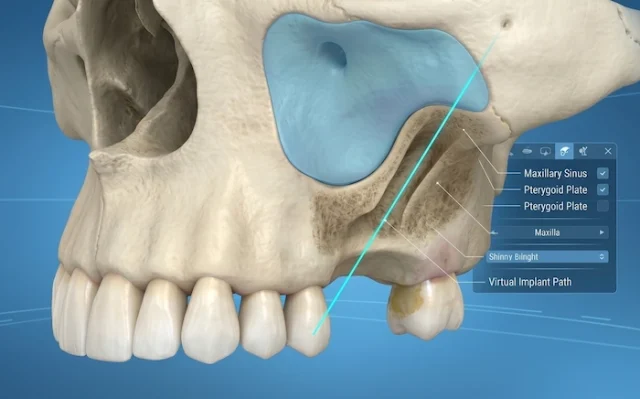
- Sinus Lift Avoidance: Bypassing invasive sinus floor elevation procedures completely.
- Cortical Anchorage: Utilizing the incredibly dense bone layers above the sinus cavity.
- Rapid Treatment Timelines: Reducing the overall healing duration significantly.
- Permanent Stability: Delivering lifelong biomechanical backing for fixed dental bridges.
What Are Trans-sinus Dental Implants in Turkey?
Standard titanium foundations require substantial bone depth below the sinus cavity. Severe maxillary atrophy makes this traditional placement impossible. Trans-sinus placements utilize an entirely different biomechanical approach. Maxillofacial specialists utilize extra-long medical-grade titanium posts. These foundations pass carefully through the sinus cavity space. They anchor directly into the highly dense cortical bone located at the nasal floor or upper sinus walls. This creates an absolutely ideal anchor point. Global patients prefer dental implants in Turkey for precisely this level of advanced structural capability.
Ideal Candidates for Trans-sinus Placements
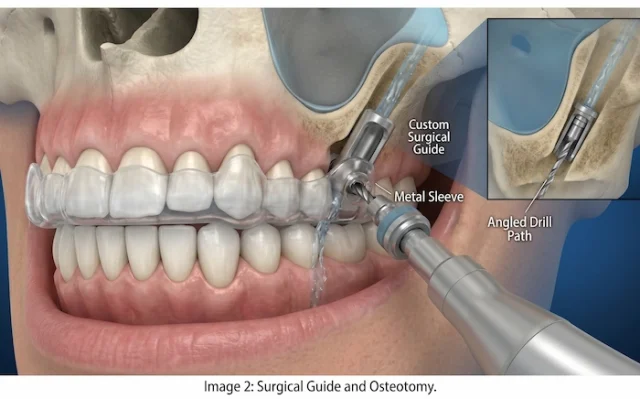
This advanced protocol serves highly specific anatomical needs. Ideal candidates include individuals missing their upper back teeth (molars and premolars). It perfectly suits patients exhibiting enlarged sinus cavities with paper-thin residual bone. Standard titanium foundations fail in these severely resorbed environments. Patients wishing to avoid the long, complex healing phases of traditional sinus lifts find a highly effective alternative here. The advanced 3D diagnostics used for dental implants in Turkey identify these specific structural requirements flawlessly.
Major Benefits of Trans-sinus Clinical Procedures
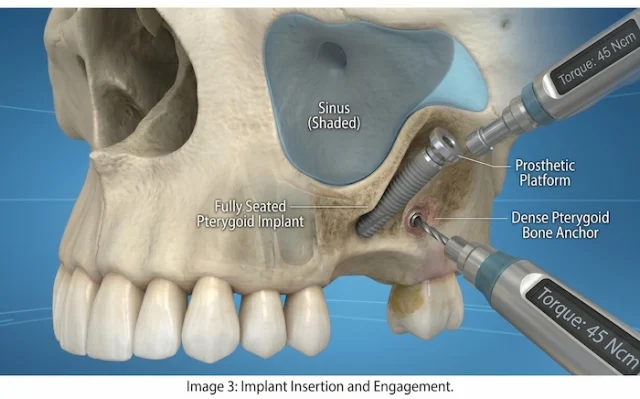
- Bypassing Massive Grafts: This remains the absolute biggest clinical advantage. Maxillofacial experts anchor the titanium into existing dense bone safely. They avoid invasive, time-consuming sinus lift procedures entirely.
- Reduced Healing Time: Traditional sinus lifts require six to nine months of preliminary healing before implant placement. The trans-sinus approach combines these phases. It reduces the total treatment timeline drastically.
- High Primary Stability: The upper cortical bone possesses incredible density. This unprecedented stability allows for rapid prosthetic attachment.
Detailed Clinical Procedure and Recovery Breakdown
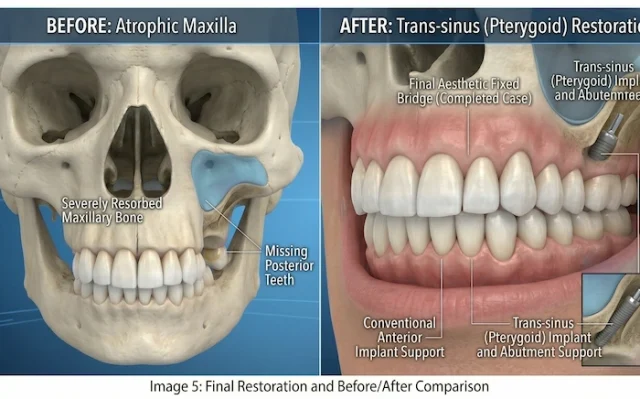
Precision dictates every single restorative phase. Timelines divide into specific clinical stages:
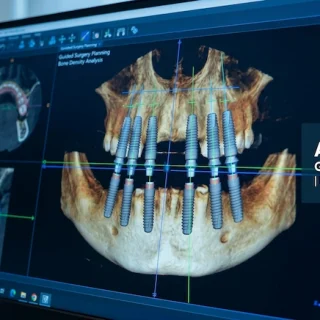
- Digital Pre-Evaluation Specialists utilize high-quality 3D CBCT scans. They chart the exact dimensions of the sinus cavity and remaining bone with absolute accuracy. This digital workflow determines the precise trajectory for the titanium posts.
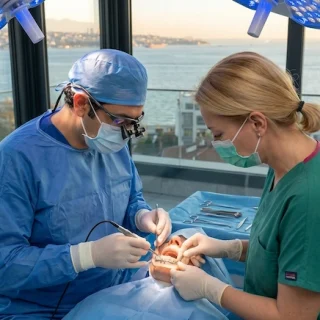
- Precision Placement Clinical experts deploy the foundations using highly specialized insertion techniques. The titanium posts pass through the sinus space securely. This demanding task requires exceptional skill. The clinical placement occurs under deep sedation for complete patient comfort.
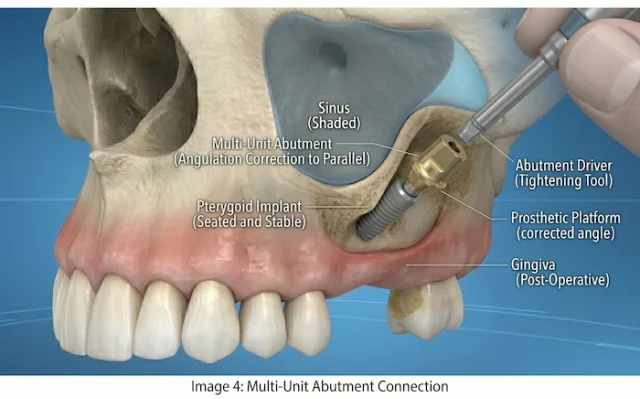
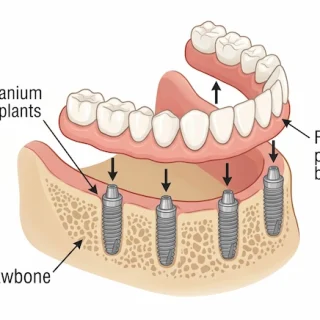
- Healing and Integration Osseointegration lasts for several months. The dense cortical bone fuses tightly with the titanium bases. Rigorous daily oral hygiene ensures these foundations act as permanent artificial tooth roots.
The Cost Advantage of Trans-sinus Dental Implants in Turkey
Global prices for these top-notch clinical procedures often remain completely out of reach. Securing trans-sinus dental implants in Turkey provides extraordinary financial advantages. Certified Turkish clinics offer these high-quality posterior restorations at highly accessible rates. International patients receive expert clinical care without any degradation in medical quality or material durability. Choosing Turkey guarantees premium materials and flawless execution.
Frequently Asked Questions About Trans-sinus Dental Implants in Turkey
Is the procedure for trans-sinus dental implants in Turkey painful?
Supreme comfort remains a constant priority. This advanced clinical protocol occurs under deep IV sedation or general anesthesia. This ensures complete patient relaxation. Post-procedural swelling remains normal. Prescribed medication manages this temporary discomfort effortlessly during the initial healing phase.
Do I need a sinus lift for trans-sinus dental implants in Turkey?
In most cases, no. The primary advantage of a trans-sinus foundation involves bypassing severely expanded sinus cavities entirely. Specialists anchor the titanium posts directly into dense cortical bone layers. This eliminates the need for massive, time-consuming sinus lift procedures.
How long do trans-sinus dental implants in Turkey last?
Following successful osseointegration, these medical-grade titanium posts act as permanent artificial tooth roots. Rigorous oral hygiene and regular professional check-ups ensure longevity. They are designed to provide a lifetime of secure support for a fixed dental bridge.

Prof. Dr. Coşkun Yıldız
Dentistry
Prof. Dr. Coşkun Yıldız, an internationally recognized and licensed dentist with distinguished expertise in implantology and cosmetic dentistry, has medically reviewed this article to ensure the highest standards of accuracy, reliability, and relevance. With decades of combined clinical and academic experience, Prof. Dr. Coşkun Yıldız delivers evidence-based, up-to-date insights that align with the latest global dental technologies, treatments, and best practices—empowering readers to make informed, confident decisions about their oral health and dental care.
Book an Appointment


6 comments
Julianne Clarke
2026-05-12T09:25:34-03:00 at 9:25 AM
I’ve been told I’m not a candidate for implants because my upper jawbone is too thin and I need a sinus lift. Does a trans-sinus implant mean I can finally skip that long bone grafting process?
Reviewed by Prof. Dr. Coşkun Yıldız
2026-05-12T09:39:32-03:00 at 9:39 AM
The primary clinical motivation behind the trans-sinus technique is indeed to offer a solution for patients with limited vertical bone height in the posterior maxilla without the need for traditional sinus augmentation. By placing the implant through the sinus floor and anchoring it into the denser bone of the sinus walls or even the nasal floor, we can achieve high primary stability even in atrophied jaws. This approach is a significant time-saver. Traditional sinus lifts often require a healing period of six to nine months before an implant can even be placed. Trans-sinus protocols allow partner specialists to bypass this waiting period, often permitting the placement of the implant and a temporary restoration in a much shorter timeframe, providing a predictable alternative for those who wish to avoid invasive grafting.
Alistair Vaughan
2026-05-12T10:25:57-03:00 at 10:25 AM
If the implant is literally going through the sinus, does it cause permanent sinus infections or problems with my nose? It sounds like a risky area to be drilling into.
Reviewed by Prof. Dr. Coşkun Yıldız
2026-05-12T10:59:30-03:00 at 10:59 AM
When performed by an experienced maxillofacial surgeon, the risk of chronic sinus complications is remarkably low. The procedure is meticulously planned using 3D CBCT scans to map your exact anatomy, ensuring the implant is positioned to avoid disrupting the sinus membrane or drainage pathways. In fact, modern partner clinics utilize specialized “bicortical” anchorage where the implant is secured by two layers of hard bone, ensuring it stays perfectly stationary.
Post-operative care is also highly standardized. Patients are typically prescribed specific antibiotics and decongestants to manage any temporary inflammation during the initial healing phase. Once the implant integrates with the bone, it becomes a sealed part of your anatomy. There is no evidence to suggest that properly placed trans-sinus implants lead to long-term respiratory or sinus issues; rather, they provide a rock-solid foundation for a functional smile.
Simone De Luca
2026-05-12T11:26:28-03:00 at 11:26 AM
I’m looking at clinics in Turkey for this procedure. Is the technology there advanced enough to handle something this specific, and will I still get my new teeth on the same trip?
Reviewed by Prof. Dr. Coşkun Yıldız
2026-05-12T11:49:26-03:00 at 11:49 AM
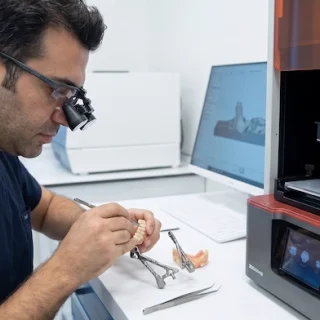
Turkey has become a premier destination for advanced implantology specifically because many partner facilities are equipped with the latest digital dentistry suites. This includes high-resolution 3D imaging and computer-guided surgical software that allows the specialist to virtually place the trans-sinus implant before the actual procedure begins. This level of precision is what makes these complex cases so successful.
Regarding your timeline, the high stability achieved by anchoring into the cortical bone often allows for “immediate loading.” This means that in many cases, a fixed temporary bridge can be attached within just a few days of your surgery. You would then return after a few months of healing to have your final, permanent restoration fitted, ensuring you never have to spend significant time without a functional and aesthetic smile.