1973 – Queen
1974 – Queen II
1974 – Sheer Heart Attack
1975 – A Night at the Opera
1976 – A Day at the Races
1977 – News of the World
1978 – Jazz
1980 – The Game
1980 – Flash Gordon
1982 – Hot Space
1984 – The Works
1985 – Mr. Bad Guy
1986 – A Kind of Magic
1988 – Barcelona
1989 – The Miracle
1991 – Innuendo
1995 – Made in Heaven
Freddie Mercury is still considered one of the best rock vocalists of all time. Yet, his fans often wonder about his very distinct facial features. In particular, discussions about FreddieMercuryteeth continue to attract massive attention online today. As a result, many people wonder why he never underwent cosmetic dental surgery. Let’s look into the intriguing story of his famous and iconic overbite.
Did Freddie Mercury Have Extra Teeth?
Indeed, as a matter of fact, he had 4 extra teethin his upper jaw. This uncommon genetic dental condition is known in medicine as mesiodens. As a result, these extra teeth caused his two upper front teeth to be pushed out quite a bit. Hence, that led to the famous and highly recognizable severe overbite of his. What is more, he was very convinced that such an oral formation was the one that enabled his phenomenal voice.
Freddie Mercury’s Teeth – Their Changes Through the Years
It is quite a spectacle to watch the rise of a musicallegend. Along with the growth of his exceptional musical career, naturally, his looks changed as well. Furthermore, his unique dental formation was becoming his most recognizable physical characteristic. Here is a quick look at how his smile evolved over the years.
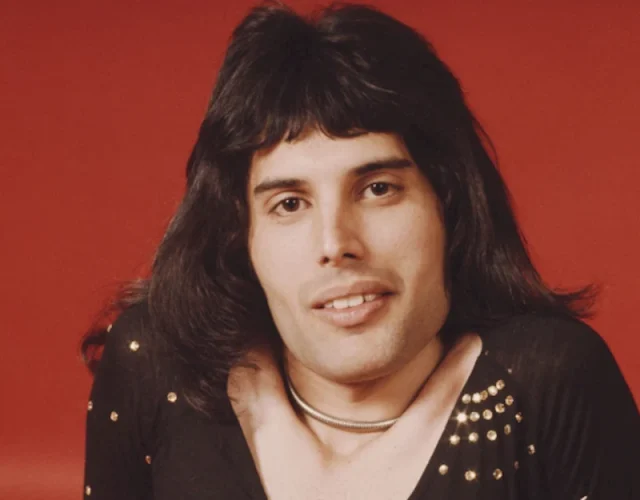
Freddie Mercury’s teeth in 1973
freddie mercury teeth in 1973
At the time of the Queen’s first album release, his overbite was still quite noticeable. Thus, his upper front teeth protruded considerably because of the presence of the extrabackteeth. In fact, these additional molars caused quite a dental crowding situation. Who would have thought that this unusual feature would become a symbol of rock music worldwide?
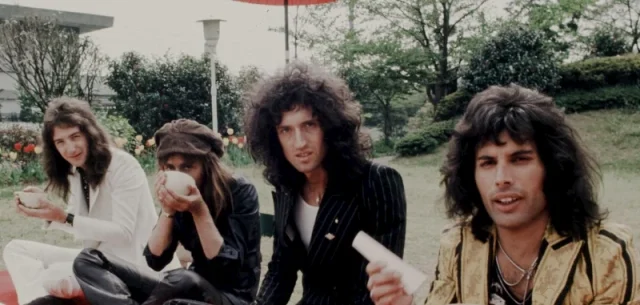
Freddie Mercury’s teeth in 1975
(Freddie Mercury’s teeth in the Bohemian Rhapsody era)
freddie mercury teeth in 1975
The astronomical worldwide success of Bohemian Rhapsody meant a lot of publicity. Still, he was very proud of his natural and untouched dental appearance. In fact, he regularly covered his mouth in different TV interviews. Obviously, at the time he was quite insecure about the natural dental alignment he had.
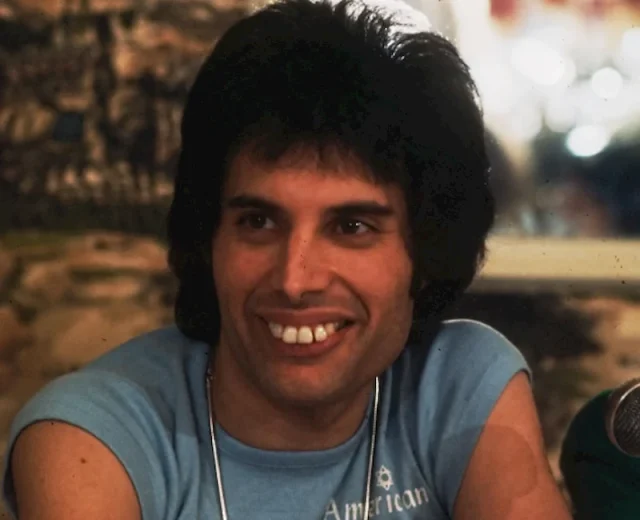
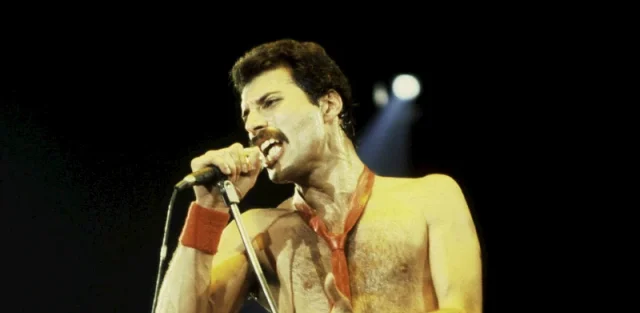
Freddie Mercury’s teeth in 1978
freddie mercury teeth in 1978
Playing stadium concerts all over the world was a very big thing for him. Still, during this time of success, his smile remained almost the same. Maybe getting professional dental treatment to solve the crowding was among his considerations. However, his original teeth shape and natural alignment were at all times fully preserved.
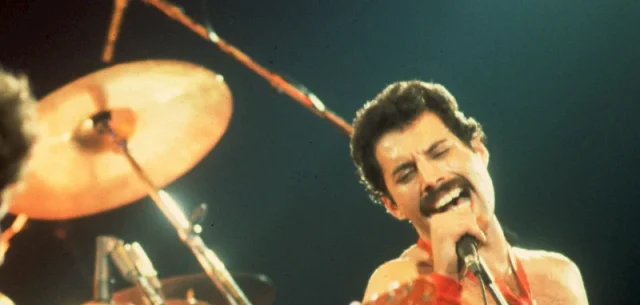
Freddie Mercury’s teeth in 1980
freddie mercury teeth in 1980
His mustache grew and visually, the entire facial change was enormous. At the same time, his hair on the upper lip somewhat covered his highly visible upper teeth. A lot of people in the dental profession believe that this choice of styling was aimed at hiding his dental insecurities. In this way, his visual confident increased substantially despite the absence of actual surgical procedures.
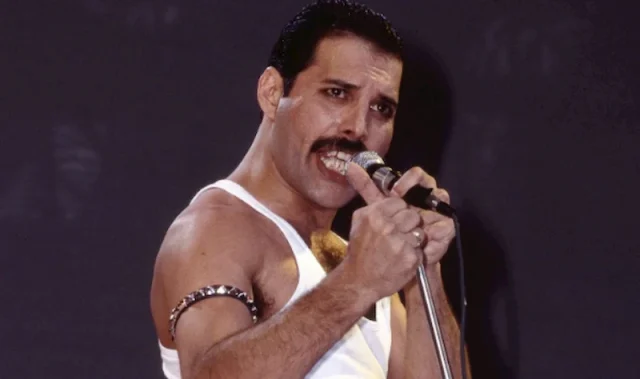
Freddie Mercury’s teeth in 1985
freddie mercury teeth in 1985
Starring in the historic Live Aid concert showcased his absolute prime globally. Unlike modern stars seeking professional teeth whitening, his front teeth remained completely natural. Consequently, fans fully embraced this unique look as part of his charm. Ultimately, his unmatched vocal performance completely overshadowed any minor physical cosmetic imperfections.
Freddie Mercury’s teeth in 1990
freddie mercury teeth in 1990
The last phase of his music venture coincided with a considerable decline in his physical health. Nevertheless, when he appeared before the camera again, it was with that very same original look. Likewise, he never forsook his singing ability for the purpose of aesthetic reasons regarding his teeth. Consequently, until the very last day, his brilliant natural smile was his real trademark.
Freddie Mercury’s teeth: Hollywood Smile
Clinicians of the present day need to be highly skilled to help a patient achieve the look of a modern-day pop star. In most cases, a genuine Hollywood smile today raises tooth crowding as well as overbites. However, Freddie was afraid that if he changed his oral cavity, he might lose the voice that had made him famous. Finally, he gave the precedence to his extraordinary musical ability rather than on standard celebrity beauty norms.
Hollywood Smile in Turkey
Living with severe dental crowding is completely unnecessary nowadays. Fortunately, our Istanbul dental clinic utilizes advanced technologies for exact orthodontic and cosmetic veneer treatments. Furthermore, our skilled cosmetic dentists perform complex overbite corrections safely on a daily basis. Therefore, you easily achieve a perfectly aligned aesthetic without sacrificing your unique individual charm.
Frequently Asked Questions About Freddie Mercury Teeth
No, he never underwent any cosmetic dental surgery during his lifetime. Actually, he actively avoided dental procedures to protect his unique singing voice.
His original smile naturally featured four extra teeth in the back of his mouth. Consequently, these extra molars pushed his front teeth forward into an overbite.
He maintained his completely natural and untouched dental aesthetic his entire life. Therefore, he never pursued modern cosmetic enhancements or traditional metal braces.
Yes, his prominent upper front teeth were completely real and entirely natural. Furthermore, he fully embraced this unique physical trait throughout his legendary career.
Absolutely not, he famously refused to alter his natural dental structure medically. He strongly believed his specific oral cavity gave him his impressive vocal range.
His underlying natural teeth remained fully intact and completely authentic always. Additionally, he never utilized any artificial porcelain shells or fake dental crowns.
Fans sometimes notice dark shadows due to deep stage lighting angles during concerts. Otherwise, his actual dental health remained quite normal despite the severe crowding.
He simply had a rare genetic condition called mesiodens naturally. Ultimately, this caused his famous overbite without any external artificial dental accessories.
Prof. Dr. Coşkun Yıldız
Dentistry
Prof. Dr. Coşkun Yıldız, an internationally recognized and licensed dentist with distinguished expertise in implantology and cosmetic dentistry, has medically reviewed this article to ensure the highest standards of accuracy, reliability, and relevance. With decades of combined clinical and academic experience, Prof. Dr. Coşkun Yıldız delivers evidence-based, up-to-date insights that align with the latest global dental technologies, treatments, and best practices—empowering readers to make informed, confident decisions about their oral health and dental care.
I always wondered why someone as rich and famous as Freddie Mercury never got his teeth fixed. Did dentists back in the 70s and 80s just not have the technology to fix such a severe overbite?
The technology to correct severe dental crowding and overjets certainly existed during his lifetime, primarily through traditional orthodontics and oral surgery. Freddie Mercury actually suffered from a condition known as mesiodens, meaning he had four extra teeth in the back of his upper jaw. These supernumerary teeth pushed his front teeth forward, creating his distinctive overbite.
His decision to leave his smile as it was had nothing to do with a lack of dental advancements, but rather a deep-seated fear of altering his vocal resonance. He believed that the extra space in his oral cavity contributed to his legendary four-octave vocal range. Today, partner specialists can manage supernumerary teeth with much greater precision, carefully planning extractions and alignment to preserve oral function while drastically improving aesthetics.
If someone walked into a dental office today with Freddie’s exact teeth, how would they even fix it? Would they just use veneers, or would it take years of wearing heavy metal braces?
Treating a case of this complexity requires a multidisciplinary approach rather than a quick cosmetic fix. Simply placing veneers over such severe crowding and protrusion is clinically impossible and would only result in overly bulky, unhealthy teeth. The first step would definitively involve the surgical extraction of the four extra teeth causing the severe crowding.
Once the extra teeth are removed to create space, the patient would undergo orthodontic treatment to pull the anterior teeth back into their proper functional positions. Modern partner specialists might achieve this using discreet clear aligners or advanced self-ligating braces, significantly reducing treatment time compared to the past. Only after structural harmony is achieved would cosmetic refinements, like whitening or conservative veneers, be considered to perfect the final smile.
Is it actually true that his extra teeth gave him that incredible singing voice? I read somewhere that he was terrified that getting braces or pulling teeth would ruin his career.
This is one of the most fascinating myths in music history. While the shape and size of the oral cavity do play a role in vocal resonance and how sound is shaped, a singer’s true range and power come entirely from the vocal cords and respiratory control. Anatomically speaking, correcting his overbite would have been highly unlikely to diminish his incredible vocal abilities.
However, his fear was completely valid from a psychological standpoint, as any change to a singer’s “instrument” can feel incredibly daunting. In modern cosmetic and structural dentistry, partner clinics utilize advanced 3D acoustic and anatomical modeling. This allows specialists to predict how structural changes to the jaw and palate might affect speech or singing, providing immense peace of mind to vocal professionals seeking orthodontic or surgical treatments today.









6 comments
Brian Cooper
2026-05-04T14:41:59-03:00 at 2:41 PM
I always wondered why someone as rich and famous as Freddie Mercury never got his teeth fixed. Did dentists back in the 70s and 80s just not have the technology to fix such a severe overbite?
Reviewed by Prof. Dr. Coşkun Yıldız
2026-05-04T15:02:48-03:00 at 3:02 PM
The technology to correct severe dental crowding and overjets certainly existed during his lifetime, primarily through traditional orthodontics and oral surgery. Freddie Mercury actually suffered from a condition known as mesiodens, meaning he had four extra teeth in the back of his upper jaw. These supernumerary teeth pushed his front teeth forward, creating his distinctive overbite.
His decision to leave his smile as it was had nothing to do with a lack of dental advancements, but rather a deep-seated fear of altering his vocal resonance. He believed that the extra space in his oral cavity contributed to his legendary four-octave vocal range. Today, partner specialists can manage supernumerary teeth with much greater precision, carefully planning extractions and alignment to preserve oral function while drastically improving aesthetics.
Tom Gallagher
2026-05-04T15:09:05-03:00 at 3:09 PM
If someone walked into a dental office today with Freddie’s exact teeth, how would they even fix it? Would they just use veneers, or would it take years of wearing heavy metal braces?
Reviewed by Prof. Dr. Coşkun Yıldız
2026-05-04T15:28:20-03:00 at 3:28 PM
Treating a case of this complexity requires a multidisciplinary approach rather than a quick cosmetic fix. Simply placing veneers over such severe crowding and protrusion is clinically impossible and would only result in overly bulky, unhealthy teeth. The first step would definitively involve the surgical extraction of the four extra teeth causing the severe crowding.
Once the extra teeth are removed to create space, the patient would undergo orthodontic treatment to pull the anterior teeth back into their proper functional positions. Modern partner specialists might achieve this using discreet clear aligners or advanced self-ligating braces, significantly reducing treatment time compared to the past. Only after structural harmony is achieved would cosmetic refinements, like whitening or conservative veneers, be considered to perfect the final smile.
Lisa Reynolds
2026-05-04T15:23:50-03:00 at 3:23 PM
Is it actually true that his extra teeth gave him that incredible singing voice? I read somewhere that he was terrified that getting braces or pulling teeth would ruin his career.
Reviewed by Prof. Dr. Coşkun Yıldız
2026-05-04T15:12:25-03:00 at 3:12 PM
This is one of the most fascinating myths in music history. While the shape and size of the oral cavity do play a role in vocal resonance and how sound is shaped, a singer’s true range and power come entirely from the vocal cords and respiratory control. Anatomically speaking, correcting his overbite would have been highly unlikely to diminish his incredible vocal abilities.
However, his fear was completely valid from a psychological standpoint, as any change to a singer’s “instrument” can feel incredibly daunting. In modern cosmetic and structural dentistry, partner clinics utilize advanced 3D acoustic and anatomical modeling. This allows specialists to predict how structural changes to the jaw and palate might affect speech or singing, providing immense peace of mind to vocal professionals seeking orthodontic or surgical treatments today.